I host the spring election show and am joined by Eve Galanter, founder of the Wisconsin Civics Games. We talk civics education, voter turnout, the declining coverage of local government, and a new bill that would update civics education requirements in the state.
WORT
-
The future of labor organizing
I speak with journalist and author Dan Kaufman about the firing of Jennifer Abruzzo, former General Counsel at the National Labor Relations Board, on Trump’s first day in office, and the future of the NLRB.
-
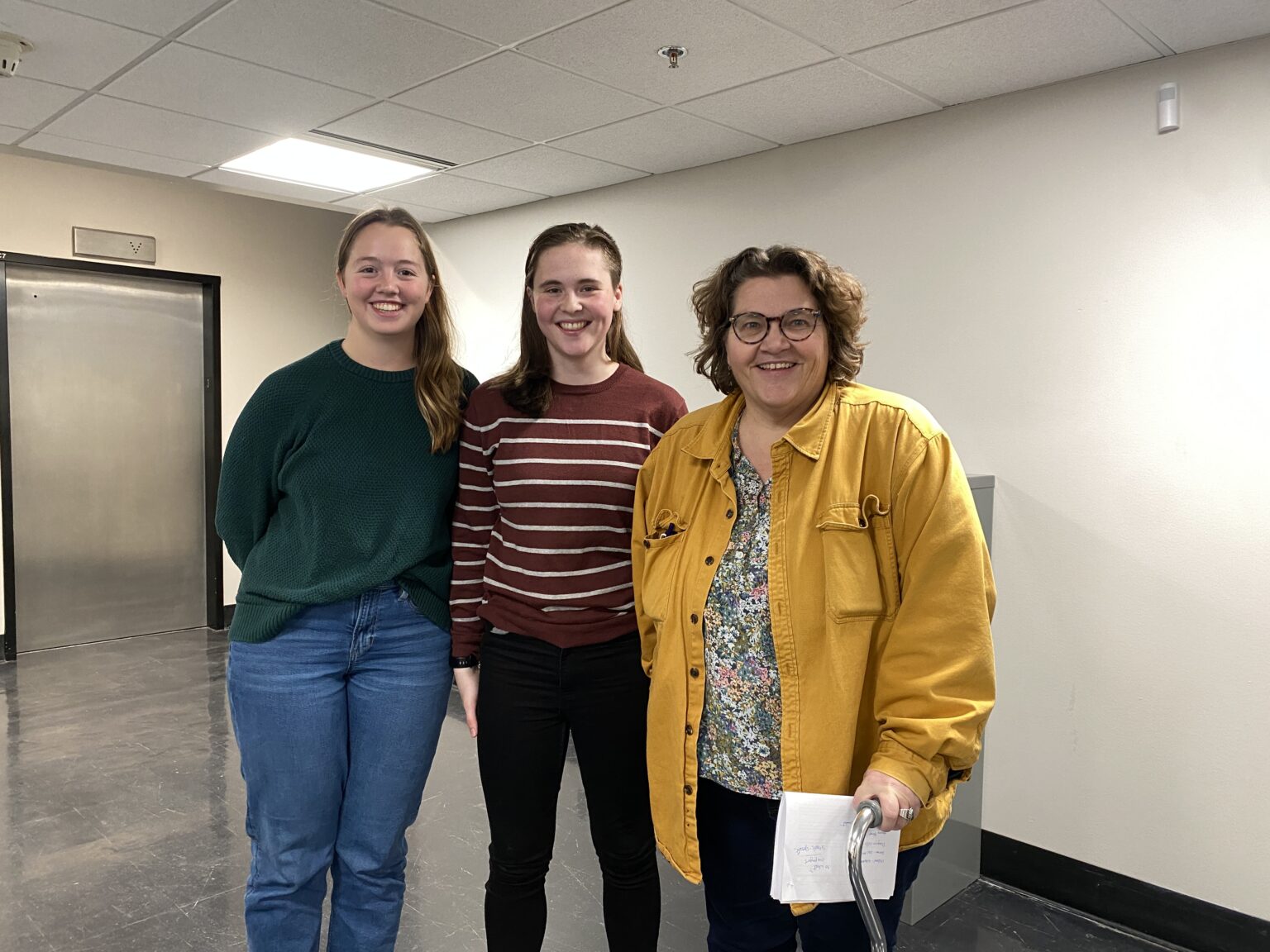
West High civics club spurs proposal to lower voting age
Lowering the voting age isn’t a new idea. But students in the civics club at Madison West High School are following a national trend to give 16 and 17-year-olds the right to vote in school board elections.
-

Nearing one year of Metro’s redesign
The bus system is one of the most visible aspects of city infrastructure, and it’s one of the most rapidly changing aspects of life in Madison. I speak with Madison Metro Transit near the one year anniversary of the system redesign.
As heard on wortfm.org.
Planning, interrupted
City planners had to improvise their format on Tuesday when a classroom at Vel Phillips Memorial High School swelled to capacity. Some couldn’t even get in the door to hear a presentation that would, frequently, be interrupted.
City planner Linda Horvath tells WORT that the attendance at Tuesday’s in-person meeting didn’t match up with the couple dozen that had appeared at virtual meetings over the Draft West Area Plan.
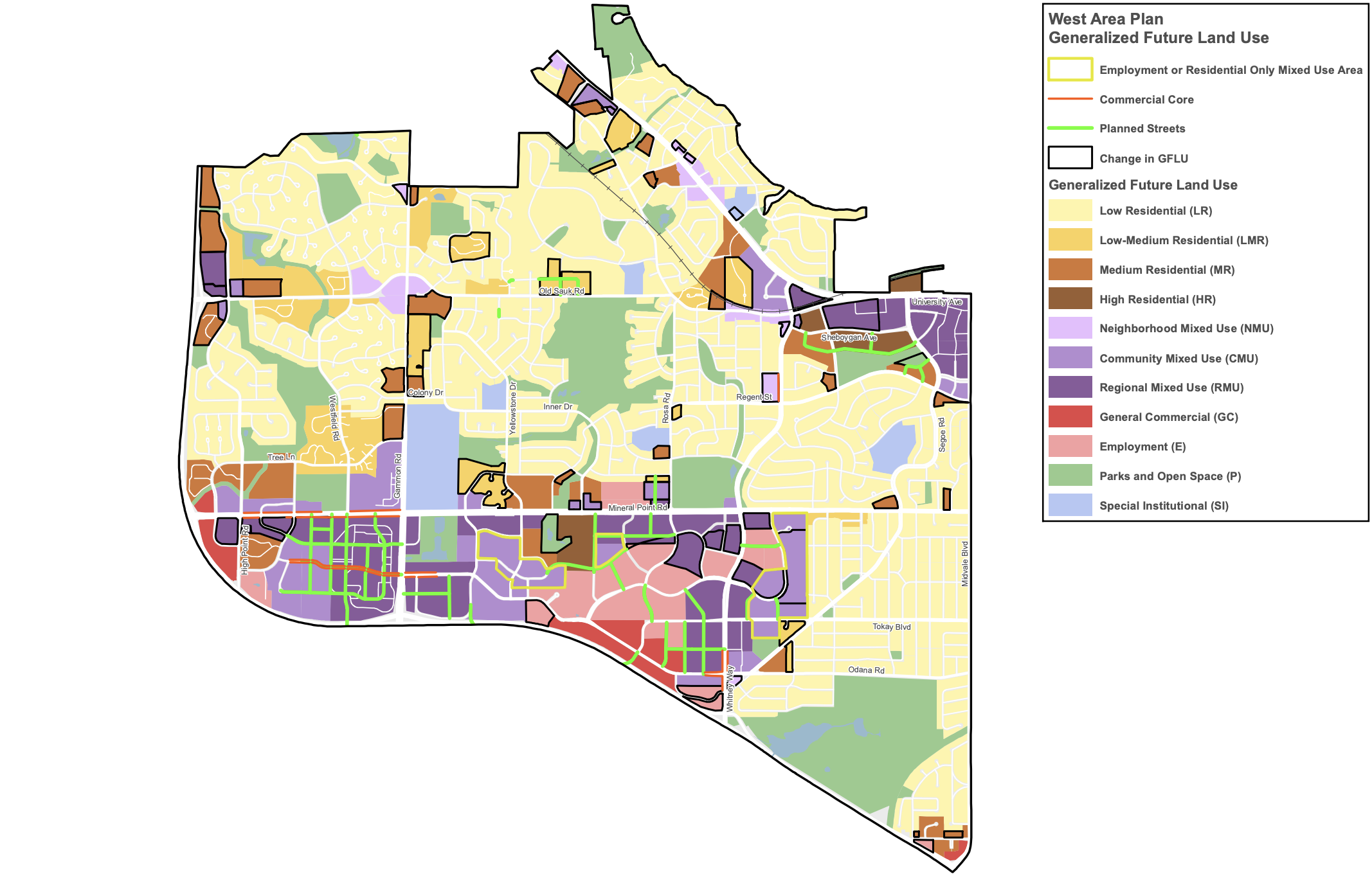
That plan is one of the city’s first under a new framework for urban planning approved in 2022 that carves the city into twelve slices.
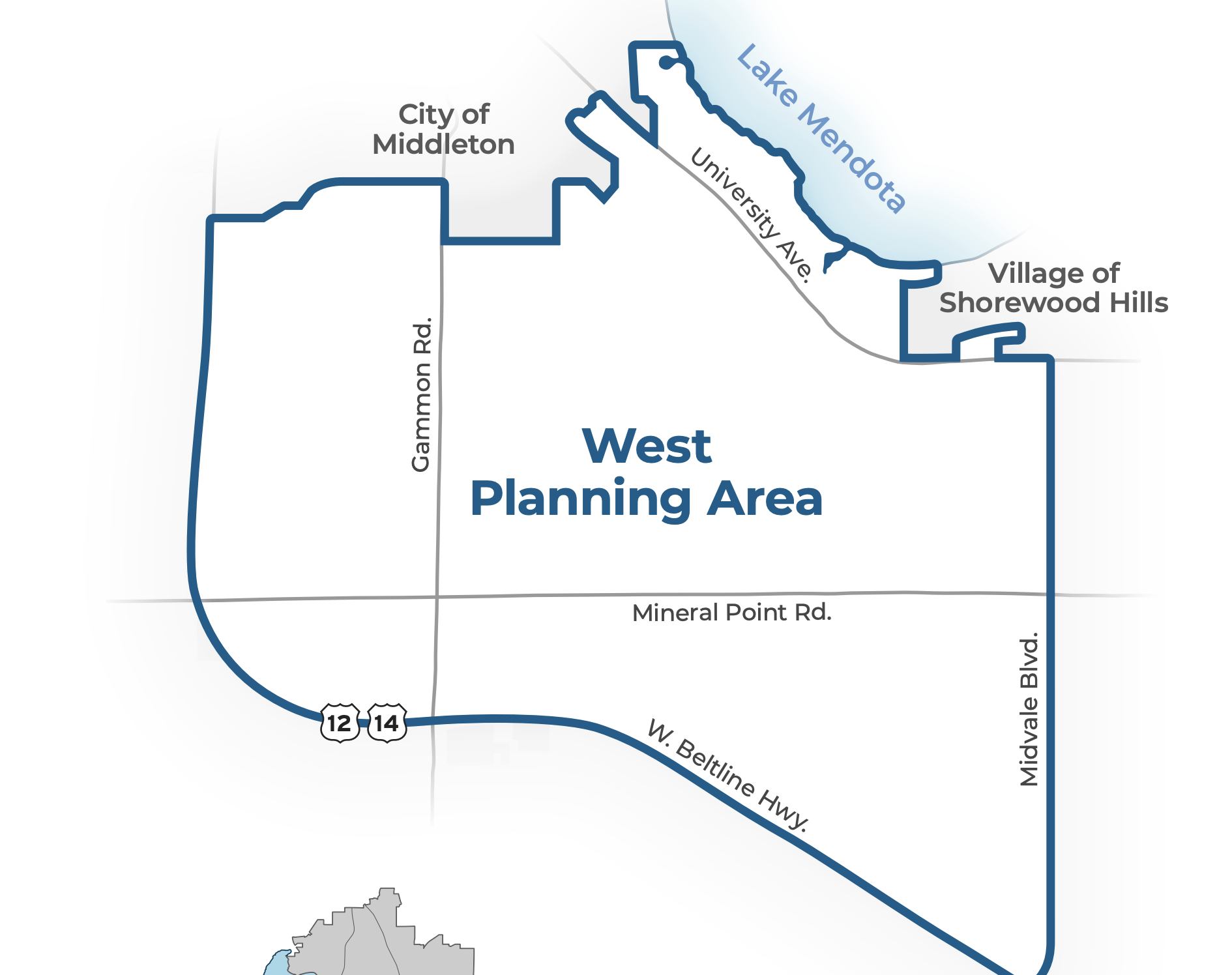
The draft for this side of the city started in January of 2023, and it covers a wide section of the West side, covering roughly 8.5 miles.
That’s larger than the old standard of neighborhood plans. Already, neighborhood plans – which date as far back as 2006 for the Spring Harbor neighborhood to as recently as 2022 for the Odana area – are archived. That means they’re no longer being used to guide development, city projects, policies, or budgets.
If approved, the draft West Area Plan would help guide a comprehensive future for this area, guiding everything from parks and recreation to housing to transportation. It would also guide land use, as the city prepares for historic growth. Horvath says the city’s now projecting 110,000 more Madison residents by 2050.
The plan is in the final stage of public feedback before being introduced to the Common Council. And residents on Tuesday voiced concerns that the land plan would materially change the character of their neighborhoods.
West side resident Scott Sussman says he opposes the plan, and doesn’t think it’s well thought out.
“I don’t think they’ve planned how to make a livable community. I realize change is going to happen, but it just doesn’t seem well thought out,” he says.
When asked by WORT why he chose to attend, Sussman says “the neighborhood pool is definitely an issue. And the parking lots.”
He’s referencing an issue raised last week in a controversial opinion piece in the Capital Times written by the newspaper’s publisher Paul Fanlund. That piece pointed to what could happen to the Hill Farm Swim Club, a sixty-year old private swim club at the heart of the West Side, if ever sold.
The swim club, alongside other areas like church parking lots, could be subject to what city planners refer to in the West Area Plan as “proactive zoning.” That process that would rezone future property consistent with its recommended land use described in the plan. That process, though, would require additional action from the council to take effect.
City planners are careful to make the distinction that the draft plan will not rezone the west side. It would indicate, though, where rezoning will likely happen in the coming years.
“The zoning is different. One of the main guiding document that decision makers use to determine if the request is appropriate is a future land use map. It does not really have the effect of law,” says one city planner.
But many of the attendees on Tuesday took those reassurances with a grain of salt. Some argued that the draft plan is just an invitation for wealthy developers to swoop in and change their neighborhoods with little oversight.
Gail Bliss, a resident of the Hill Farms neighborhood, was also at Tuesday’s meeting and has been attending related meetings over the last year.
“About 90 percent of the plan looks perfectly reasonable to me. And, a lot of people are very frustrated that they don’t feel they’re being heard. And I am somewhat frustrated that some of the material was pretty unclear,” she told WORT.
“There’s a property near me that’s to be labeled in the land use plan as mixed-use. But there’s nothing in the plan that says how many apartments would go on top of that mixed-use building. It’s not really clear. I tried to figure it out and I’m afraid that so many people are settled in their distrust of the city and the plan, that the whole thing is going to have a long and difficult and winding road, and I wish it was a different way,” she added.
In recent years, the city has made other decisions that have rankled some west siders. Things like changing the definition of single family housing, creating transit overlay districts, and implementing Bus Rapid Transit – the first leg of which cuts through the west side.
Overall, Bliss says she’s been okay with other recent changes that the city’s made in guiding the future of living and moving through Madison.
“I’m within the transit overlay. Fine with me. I remember going around telling my neighbors, this does not mean everybody is going to tear down their houses tomorrow. Similarly, the redesignation of churches as possible places for more housing strikes me as very practical.”
“I can see people being frustrated and not wanting to vote for things the city recommends because they ‘don’t listen.’ I felt for the staff member saying we have people yelling about bike paths. You can’t make everybody happy all the time, but I think they could be doing a better job of being clearer,” Bliss says. Sponsored
But residents have a bit of a cudgel to push back on the city this time around. The city of Madison is facing a yawning budget gap in this and future years. Come November, the city could need to ask voters to approve a referendum that raises taxes.
Jenny Iskandar is a longtime resident of Sauk Creek, and lives right next to the Sauk Creek Greenway. She says that twelve years ago, when the city wanted to make necessary sewer improvements, she was able to work with city planners to seek compromise over details of their plan.
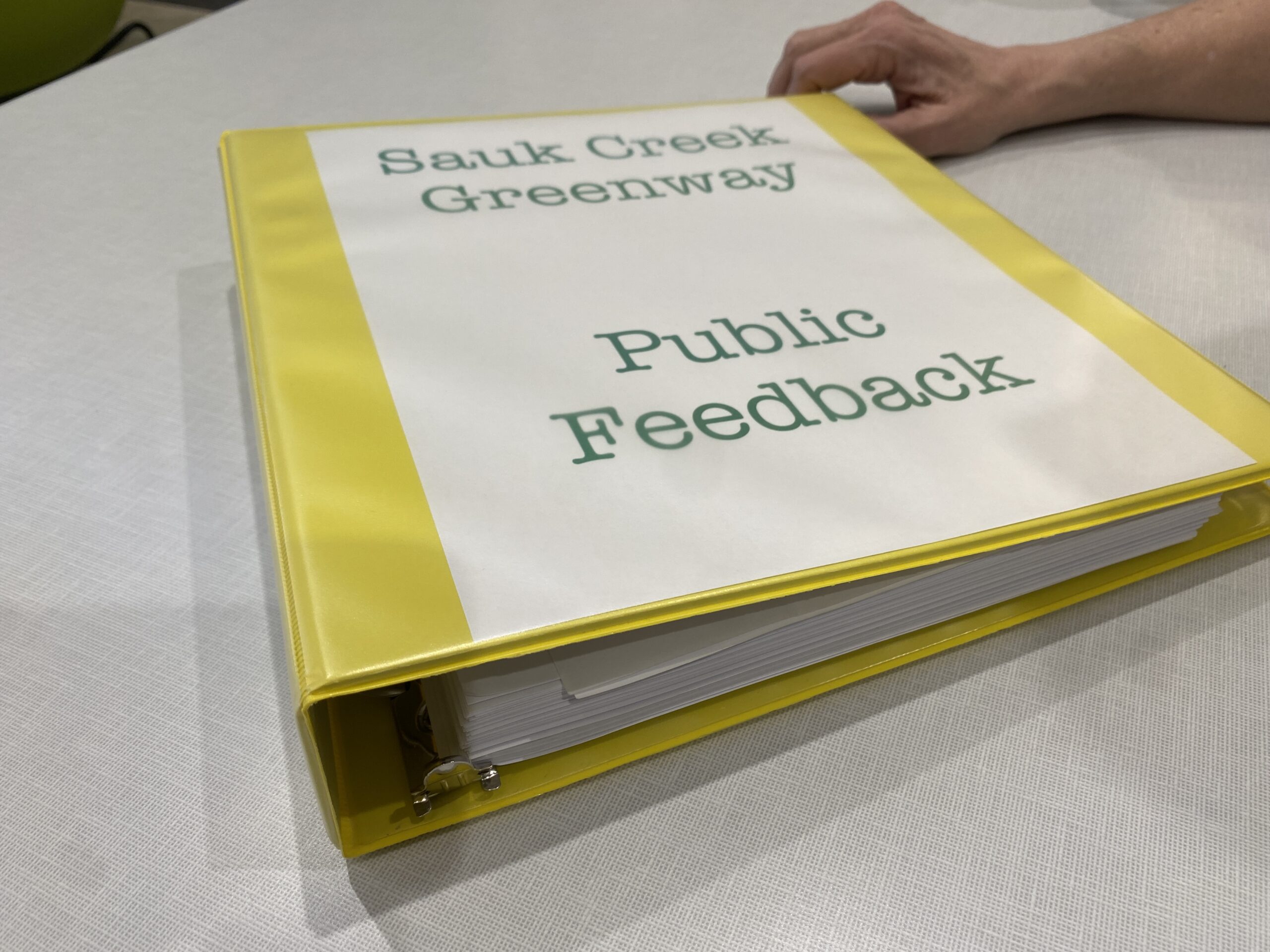
Recently, she’s been helping to lead the neighborhood’s push against another proposed city improvement – a potential bike and pedestrian path running through the greenway. She’s been regularly attending transportation and planning meetings, and even brought her bright yellow binder to Tuesday’s meeting.
I asked Iskandar if her interactions with the city over the bike path would inform her vote in November, if a referendum is on the ballot.
She says “Most definitely. If they come to us asking us for more money, or tax increases, to cover their shortfalls, I would definitely think twice about that with the interaction we’ve had with the city on this.”
Jane Meyer lives in the Tamarack community. While waiting in line to get in, she tells WORT that many West side residents feel that there have been too many surprises in the planning process.
“There’s more folks here than I thought. Very few of them don’t have concerns. Losing road parking, the ability to travel more freely are very much on the top of people’s worries.
She agrees that this planning process could inform her vote on a potential referendum.
“If the city were to actually look at their spending and eliminate the unnecessary spending that’s occurring in this plan, over $2 million for this bike path. Because at this moment I would not support a referendum.”
West side alder Bill Tishler represents one of several districts covered by the proposed West Area Plan. He says Tuesday’s meeting was the most contentious public meeting he’s been to – and he was somewhat anticipating this response.
“People are clearly angry and I think what it mainly is is they just want to be heard. And although Zoom does allow people to all come together and hear a presentation, I think there’s something very powerful about people coming together in a room and letting their voice be heard just by being together and – as we saw here – raising their hands when they’re not in favor of something, or clapping when they do support something. So I think this is kind of how democracy is supposed to look, in my opinion.”
Tishler also set up a camera to record the presentation. In less than 48 hours, it’s racked up almost four and a half thousand views on YouTube.
Some online panned the crowd’s reaction, pointing out the West Siders likely left out of the conversation.
Harry Jin is a high school junior, and will graduate in 2025. He lives just outside the area plan, but bikes through what’s covered in the West Area Plan every day. Tuesday wasn’t his first planning meeting – he says he finds it interesting – and he likes that the city is looking to the future.
“I think it’s great that we’re looking to take action and be ambitious with how we see the future of the city. We’re looking to see the change that could be happening that we could use to address problems like climate, like housing, and transportation safety,” says Jin.
He says for people his age, it’s important to be ambitious now.
“Housing is getting to be a pretty massive struggle, and completely determines where you live. Some of my teachers at high school have to commute because they can’t find housing that works for them near the schools.”
Jin has a license, but driving stresses him out. He prefers to bike and take the bus most places and is excited about Bus Rapid Transit. He says that in planning conversations, the voices of young people and students aren’t really being heard.
“If we don’t make any decisions to accommodate future growth, then the people right now aren’t going to have any options. When you see high schoolers joking about not being able to buy a house in the future, I don’t think it says a good thing about the future of housing in the area or the country. Yes, staying the same is easy and nice, but there are small changes we can make that will make a big difference down the road. And we should definitely be looking into those.”
Horvath says it’s not first time she’s had a contentious meeting like Tuesday – in Madison or while working in other cities.
“When people are motivated, and passionate, it’s actually pretty awesome for us. Because we want people to be involved, we want hear what they have to say. And sometimes, we’re not going to always be able to do what somebody wants us to do, but, yeah.”
The deadline to submit written feedback on the Draft West Area Plan is next Wednesday, March 20. After this meeting, though, planners say that deadline will be extended. A virtual meeting on proactive zoning in the plan is slated for next Monday, March 18.
With production help from Faye Parks for wortfm.org. This story received a Bronze award for Best Long Hard Feature Story from the Milwaukee Press Club 2024 Excellence in Journalism Winners.

Safety orange is the color of the present
Cultural theorist Anna Watkins Fisher says the color known as Safety Orange describes the cultural present. In her recent book Safety Orange, she argues that the color (hex code: #FF5F15) is a lens: for state oversight and abandonment, excess and dereliction.
As aired on wortfm.org.
Mickey has entered the public domain
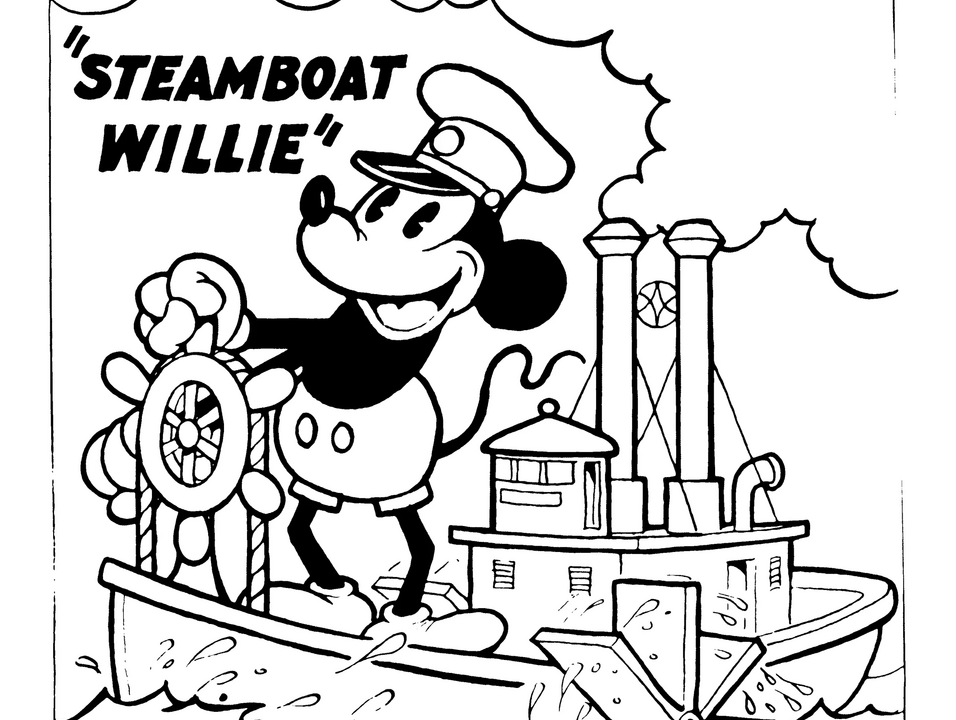
And each year on January 1, a community of people celebrate Public Domain Day. That’s the day get thousands of new books, plays, films, and recordings, and other artistic works are newly released from the cages of copyright protection.
The Center For the Study of the Public Domain at Duke Law School maintains a robust inventory of works with expiring copyrights. This year, the Center says, works from 1928 are open to all, as are sound recordings from 1923.
The most recognizable figure released into the public domain for 2024? Well, that’d be Mickey Mouse. UW-Madison professor Alan Rubel helps us celebrate Public Domain Day.
As heard on wortfm.org.

Rebecca Webster on sovereignty
The history and culture of the Oneida Nation, along with changing policy on tribal land rights, is the subject of Rebecca Webster’s new book, In Defense of Sovereignty: Protecting the Oneida Nation’s Inherent Right to Self Determination (2023, University of Wisconsin Press).
As heard on wortfm.org.
Leaders mourn the loss of Dick Wagner
Many are mourning the loss of longtime public servant, LGBTQ activist, and historian R. Richard “Dick” Wagner, who passed away on Monday at the age of 78.
Friends and mentees told WORT today that Wagner was a trailblazer, leaving behind an extraordinary life of public service, commitment to LGBTQ rights and history, and mentorship of future community leaders and politicians.
Wagner was the first openly gay member of the Dane County Board of Supervisors. First elected in 1980, he would serve on the Dane County Board for another fourteen years, representing Madison’s near-east side. He chaired the Dane County Board from 1988 to 1992, and served on nearly a dozen of the county’s boards, commissions and committees.
He was an integral part of Wisconsin’s first protections for gay and lesbian people. In 1982, Wisconsin passed a law banning discrimination based on sexual orientation in employment and housing, becoming the first state in the nation to do so. The following year, Wagner was appointed by then-Governor Tony Earl to serve as co-chair of the Governor’s Council on Lesbian and Gay Issues.
David Clarenbach, a longtime friend to Wagner and a state legislator who helped make the bill become law, credits Wagner with explaining the new law to the public.
“The series of public hearings that were conducted around the state were groundbreaking. To bring community and civic leaders to the public, and to bring those who were responsible for enforcing the anti-discrimination laws, the people who were on the ground needed to be brought up to speed on how it could impact people. And so it was Dick Wagner’s efforts, and that of Governor Earl and the Governor’s Council, to take that message to the village square and to educate and sensitize the general public, policy-makers, and law enforcement as to the existence of this law, and the meaning of that new law,” Clarenbach tells WORT.
Many credited Wagner with mentoring future progressive politicians- among them, US Sen. Tammy Baldwin, D-Madison, and US Rep. Mark Pocan, D-Black Earth.
In a statement, Sen. Baldwin described Wagner as a role model, mentor and lifelong friend, writing “I may not have ever entered public service if not for the guidance and encouragement he provided me to walk the path he paved. He provided the opportunity for young people like myself and others growing up all over Wisconsin to know that they are not alone and that they stand on the shoulders of people who came before them. Dick lived a life that showed to all of us that history only moves in one direction: Forward. For that, I am forever grateful.”
“Not only was Dick really a mentor to people like Tammy and myself and many others over the years, but nationally, Dick was a leader for out gay and lesbian officials. I remember that we had more out gay and lesbian election officials in Dane County than the entire state of California – that was in the early to mid-nineties – and honestly, a lot of that was due to Dick Wagner,” Rep. Pocan told Isthmus newspaper.
Wagner was also noted for being an avid gardener, gourmet chef, and “host par excellence,” hosting many fundraising dinners at his Lakeside home over the decades for political and other causes.
Dane County Clerk Scott McDonell characterized Wagner as a man of many talents: a chef, historian, author, politician, gardener, and collector.
“The thing I say about Dick that he was so selfless in everything he did. He cared so much about this county and this city, and dedicated his life to making it a better place. He was such an important mentor to so many people in this community, and was a real inspiration, running as an out candidate, really opening doors for people and leading by example,” McDonell told WORT.
Madison Mayor Satya Rhodes-Conway – Madison’s first openly out mayor – calls Wagner a “Madison icon, a true public servant, and a pillar of our community.” She adds that Wagner was an inspiration for future generations of LGBTQ+ candidates like her.
“He was absolutely an inspiration, and I think he and other folks who were the first in their positions and often the first in their communities, really did pave the way for the rest of us, and were quietly and sometimes not-so-quietly encouraging. Dick was definitely that, he, I think, really believed in public service and encouraging other people’s public service. Even after he stepped down from the county board, he served our community in so many different ways,” the Mayor told WORT.
Wagner had sustained involvement in numerous local boards and commissions, including the Madison Urban Design Commission, the Plan Commission, Landmarks Commission, the Wisconsin Arts Board, and the Madison Trust for Historic Preservation.
He served on the board of Fair Wisconsin for over a dozen years, helping to fight a 2006 ballot referendum banning gay marriage. Mark Webster, a longtime friend who served with Wagner on the Fair Wisconsin Board, says Wagner played a pivotal role in civic engagement as a progressive.
“[Dick fought] for things like regional transportation, and LGBTQ rights, historic preservation, and environmental protections – and he did a lot of this before it was cool, in the ’60s and ’70s,” said Webster.Sponsored
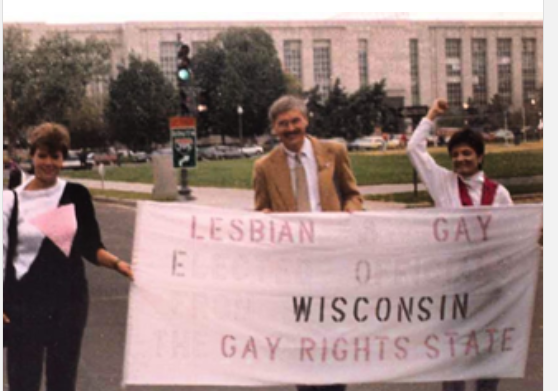
“When you look at the March on Washington for Gay Rights, and look at the people who led that march, Dick was literally in the front row,” Webster adds.
Madison alder Mike Verveer was a longtime close friend of Wagner, and says he touched the lives of countless people.
“Dick was absolutely a life well-lived. He touched countless people in so many ways. His friendship meant the world to me and so many others. He mentored countless political candidates, especially those running as out LGBTQ+ candidates, and whether the elections were won or lost, he would continue that mentorship over the years in many different ways. So many of us were just so fortunate to have Dick in our lives. It’s a tragic, unexpected, unspeakable loss and so unexpected. But he was just a remarkable person, just totally selfless,” says Verveer.
A historian by training (he received a PhD from UW-Madison), Wagner authored two volumes about Wisconsin’s gay history in the last years of his life. His first book, “We’ve Been Here All Along,” was published in 2019 and documents Wisconsin’s gay and lesbian history up to the Stonewall Riot in 1969. In mid-2020, Wagner published his second volume “Coming Out, Moving Forward: Wisconsin’s Recent Gay History.”
He was said to be at work on a third volume of history – about Dane County – when he passed.
Verveer credits Wagner with documenting and archiving much of Wisconsin’s LGBTQ history, and says a PBS Wisconsin documentary based on those volumes is in the works.
“He spent so much of his life collecting LGBTQ historical artifacts because it’s important to our history, and nobody was really doing it in a meaningful, systematic way in Wisconsin. I can tell you as someone who visited his home on a regular basis, he had historical archival boxes and piles everywhere. His goal was not to just archive them but to write Wisconsin’s LGBTQ history, and he did that, a culmination of decades of research and writing.”
Many of those documents are now in the UW-Madison LGBT archives. Wagner served on that archiving committee.
Don Schwamb is the founder of the Wisconsin LGBT History Project, an online portal founded in 2003 chronicling the history of the LGBT community in Milwaukee and Wisconsin.
“Dick was one of a kind. He not only lived it, but he also documented it as an historian. And I think he often took a step back when he was writing, to make sure that he was not presenting his own ideas when he was outlining some of what had happened. I think he was an excellent historian, in that he recognized what others had done, and was generous in giving credit to others,” says Schwamb.
In recent years, Wagner had been at work helping to expand the Olbrich Botanical Gardens. In the 1970s, Wagner helped in the fight to save Period Garden Park on Gorham Street from being developed into an efficiency apartment building. And he died in another small park he helped create in the 1970s, in Kerr-McGee Triangle Park on Jenifer Street, a park he tended to over the ensuing decades.
Alder Verveer says he plans to propose renaming that park in Wagner’s honor, calling it a fitting tribute given Wagner’s work for Madison parks over the decades.
“That’s the Dick Wagner I know and love and countless other people know and love, complete selflessness, and wonderful friend, having me and others over for meals more times than anyone could ever repay him. He just opened his doors with that warm hospitality. And that was Dick, opening his home and garden.”

How Wisconsin Got “Foxconned”
It’s been four years since Wisconsin inked a contract with Taiwanese manufacturer Foxconn. The year was 2017, President Trump was in office, and then-Governor Scott Walker was running for re-election. After just months of consideration, Walker signed an agreement for Foxconn to come to southern Wisconsin — after all, Wisconsin was “open for business.”
At the time, Foxconn promised to invest $10 billion into a high-tech LCD screen manufacturing facility. They said it could bring 13,000 jobs to the state, the majority of them blue-collar, family-supporting jobs. But four years later, the plan to build LCD screens has not materialized. Foxconn is expressly not producing LCD screens, while weighing what to do with the thousands of the acres of land and new infrastructure built explicitly for them. Meanwhile, homeowners have been evicted from their homes and the State of Wisconsin and Mount Pleasant are now on the hook if Foxconn backs out of the deal.
I sat down with Madison-based journalist Lawrence Tabak, who has been reporting on the Foxconn deal since its beginnings and is out this month with a new book about it. It’s called Foxconned: Imaginary Jobs, Bulldozed Homes, and the Sacking of Local Government, released from the University of Chicago Press in November 2021.
We discuss the context of the deal at the time, the flaws of the underlying economic analysis produced by Foxconn analysts, the “blighting” of the land and eviction of Mount Pleasant homeowners (and the unusual clearance granted by the legislature to do so), the future of Wisconn Valley and why Governor Evers renegotiated the deal – plus why the abundance of governmental-sponsored economic development is a bad deal.
Useful links:
- Find this post on wortfm.org
- Visit Lawrence Tabak’s website, and follow him on Twitter here.
- Find Tabak’s new book from the University of Chicago Press, here.
- Read more of Tabak’s reporting in Belt Magazine and the American Prospect
- More listening: Tone Madison interviewed Tabak in 2018; Reply All explored the local politics and evicted homeowners in 2018.